
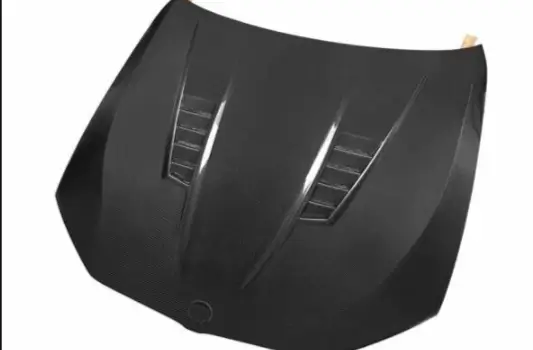

Few exterior upgrades prompt as many pricing questions as a lightweight bonnet. Owners see a wide range of figures online, from modest sums for simple panels to much larger sums for complex, hand-finished pieces, and they understandably ask why the range is so broad. The answer is that a bonnet is not a single, standard product. Its cost reflects the vehicle it fits, the way it is made, the finish it carries, the work needed to fit it, and the support that comes with it. Understanding those factors helps buyers compare options fairly, without focusing on a headline figure alone.
This article does not list prices, because figures change with model, specification, supplier, and time, and a number quoted without context can mislead more than it helps. Instead, it explains what drives cost, what questions to ask, and how to compare quotes responsibly, so that a buyer can judge value rather than chasing the lowest number.
The Vehicle and the Panel Shape
The starting point for any bonnet is the car it must fit. A flat, simple bonnet for a common model is easier to tool and produce than a large, sculpted bonnet with vents, power bulges, and complex shut lines. Curves, vents, and integrated features require more careful mould design, more layers placed by hand, and more time spent trimming and checking fit. A bonnet that must align with headlights, wings, wipers, and a latch mechanism also demands tighter tolerances than a flat decorative panel.
Materials, Layers, and Curing Method
Material choice is a major cost driver. The grade of fibre, the weave, the number of layers, and the resin system all influence both performance and price. A panel made with a fine, regular weave and a high-quality resin, laid up in a planned sequence with extra reinforcement at edges and fixings, takes longer to produce than a panel made quickly with fewer layers. The difference may not be visible in a small online photograph, but it can show up in fit, surface quality, and durability over time.
Fitting, Paint, and Work Beyond the Panel
The purchase cost of a panel is rarely the whole cost of the job. Fitting time, paint work, additional hardware, and travel to a specialist can all add to the total, and a quote that omits those items can look misleadingly low. A bonnet that needs trial fitting, adjustment of hinges and latches, and careful alignment of panel gaps will take longer to fit than a direct replacement with no adjustment. Paint matching, if required, adds materials and labour, especially for metallic or pearl finishes that are hard to blend.
Buyers should therefore ask for a written breakdown that separates the panel, any hardware, fitting labour, paint, and any other charges. That breakdown makes comparisons fair and reveals whether a lower headline figure depends on omitting work that will be charged later. It also helps with insurance and resale records, because it shows exactly what was done and by whom.
For readers starting their research, a carbon fiber hood price guide can help frame the questions to ask, but any figure found online should be checked against the exact model, specification, and included work before it is treated as a budget.
See also: How Blockchain Is Used in Insurance
How to Compare Quotes Responsibly
Comparing quotes is not simply a matter of choosing the lowest total. Buyers should check that each quote covers the same panel, finish, hardware, fitting, and paint, and that compatibility with the exact model, year, and trim has been confirmed in writing. A quote for a different variant, a different finish, or a panel without fitting cannot be compared directly with a complete quote.
Ownership Costs After Fitting
Ownership costs continue after fitting day. A lightweight bonnet needs gentle washing, protection from harsh chemicals, and periodic inspection of edges, fixings, and the latch mechanism. Stone chips should be addressed promptly, and any change in how the bonnet opens, closes, or sits should be investigated rather than ignored. Insurance should be informed, because a non-standard panel may affect cover, and records of the part, fitting, and cost should be kept for future servicing or sale.
Frequently Asked Questions
1. Why do quotes for similar bonnets vary so much?
Quotes vary because panels differ in shape, materials, layers, curing method, finish, and included work. Model rarity, vent design, paint matching, and fitting time also affect the total. Comparing quotes fairly requires checking that each one covers the same specification and the same work, in writing, for the exact vehicle.
2. Should I budget for more than the panel itself?
Yes, in most cases. Fitting labour, paint matching, hardware, and travel can add to the total, and insurance notification may also be needed. A written breakdown that separates those items helps avoid surprises and makes it easier to compare suppliers on a like-for-like basis.
3. How can I judge whether a higher quote offers better value?
Look beyond the total and check construction, curing, finish quality, fit guidance, and aftercare. Ask for photographs in daylight, compatibility confirmation, and a clear explanation of what happens if adjustment is needed. A higher quote that includes careful fitting, good support, and a durable finish may offer better long-term value than a lower quote that omits those elements.
Conclusion
The cost of a lightweight bonnet is shaped by the car it fits, the complexity of its shape, the materials and curing method used, the quality of its finish, and the work needed to fit and paint it. No single figure can capture all of that without context, and buyers who focus only on a headline number risk overlooking the very factors that determine satisfaction. By asking for written breakdowns, comparing like with like, checking compatibility and support, and budgeting for fitting and care, owners can make a calm, informed decision. The goal should not be the cheapest panel available, but the panel that fits correctly, looks right, latches securely, and remains satisfying to live with long after fitting day.
